
Downloads
Granulator Specification Library
Get the catalogue values for each reference model. Use them to shortlist equipment, then verify line fit and throughput with your material.
CXF-850 Specifications
Thermoforming Inline Granulator
- Maximum infeed width
- 830 mm
- Main motor power
- 7.5 kW
- Catalogue throughput
- 300–400 kg/h
CXF-1000 · Dual Station Specifications
Thermoforming Inline Granulator
- Maximum infeed width
- 980 mm
- Main motor power
- 11 kW
- Catalogue throughput
- 300–500 kg/h
CXF-1200 · Dual Station Specifications
Thermoforming Inline Granulator
- Maximum infeed width
- 1180 mm
- Main motor power
- 15 kW
- Catalogue throughput
- 600–800 kg/h
XF-300 Specifications
Sheet Extrusion Edge Trim Granulator
- Maximum infeed width
- 280 mm
- Main motor power
- 4 kW
- Catalogue throughput
- 150–200 kg/h
XF-350 Specifications
Sheet Extrusion Edge Trim Granulator
- Maximum infeed width
- 330 mm
- Main motor power
- 5.5 kW
- Catalogue throughput
- 250–300 kg/h
XF-350 · Dual Station Specifications
Sheet Extrusion Edge Trim Granulator
- Maximum infeed width
- 330 mm
- Main motor power
- 7.5 kW
- Catalogue throughput
- 250–300 kg/h
JXF-1000 Specifications
Heavy Duty Plastic Granulator
- Maximum infeed width
- 980 mm
- Main motor power
- 30 kW
- Catalogue throughput
- 1000–1500 kg/h
JXF-1200 Specifications
Heavy Duty Plastic Granulator
- Maximum infeed width
- 1180 mm
- Main motor power
- 45 kW
- Catalogue throughput
- 1500–2000 kg/h
JXF-1500 Specifications
Heavy Duty Plastic Granulator
- Maximum infeed width
- 1480 mm
- Main motor power
- 55 kW
- Catalogue throughput
- 2000–2500 kg/h
Technical guides
Choose by Feed Material and Production Line
Start with the guide that matches how scrap leaves your line.
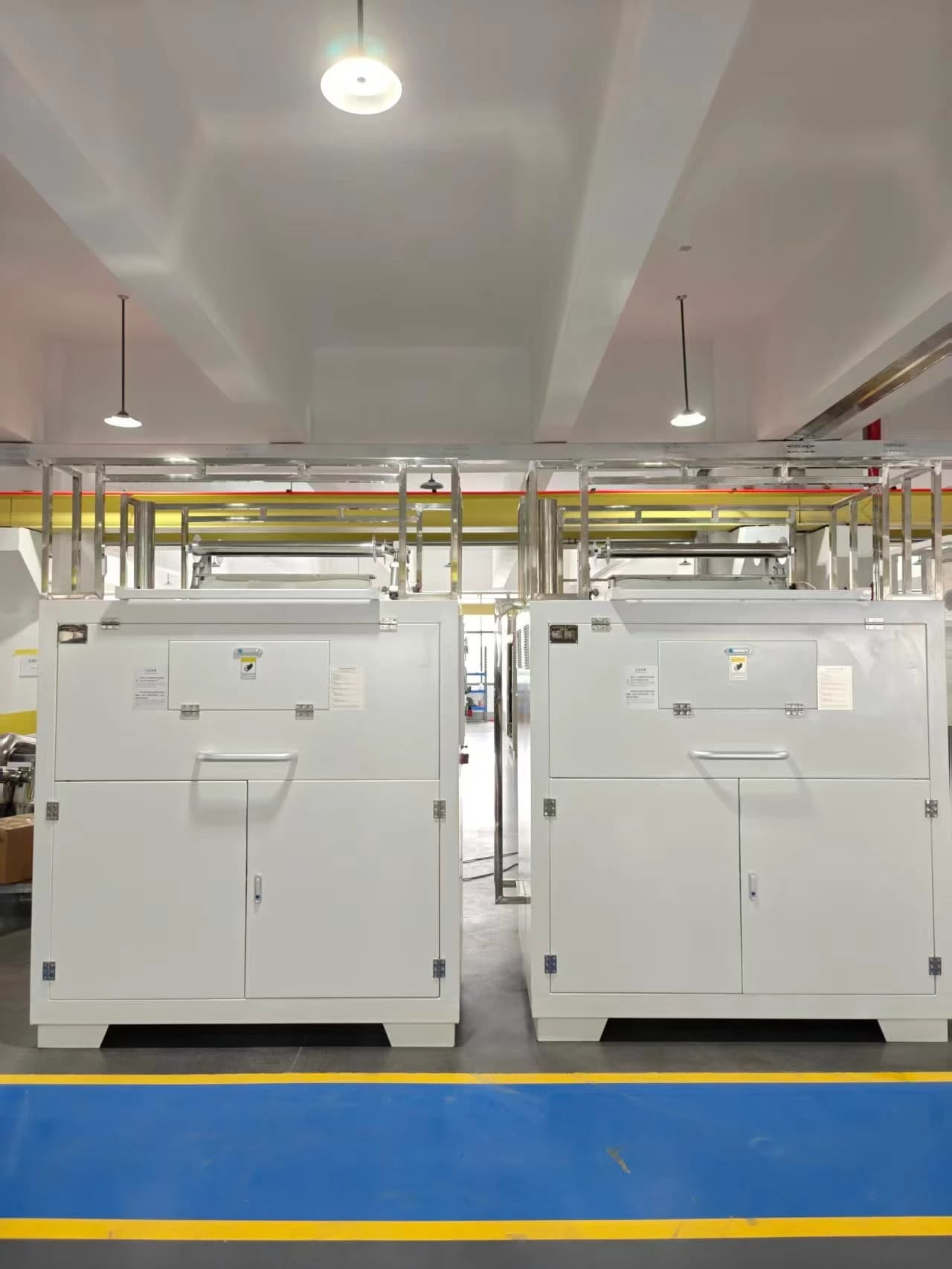
How to Size a Granulator for Thermoforming Scrap
A selection checklist for measuring skeletal web, sheet thickness and scrap rate before you size a thermoforming granulator.
Read the Guide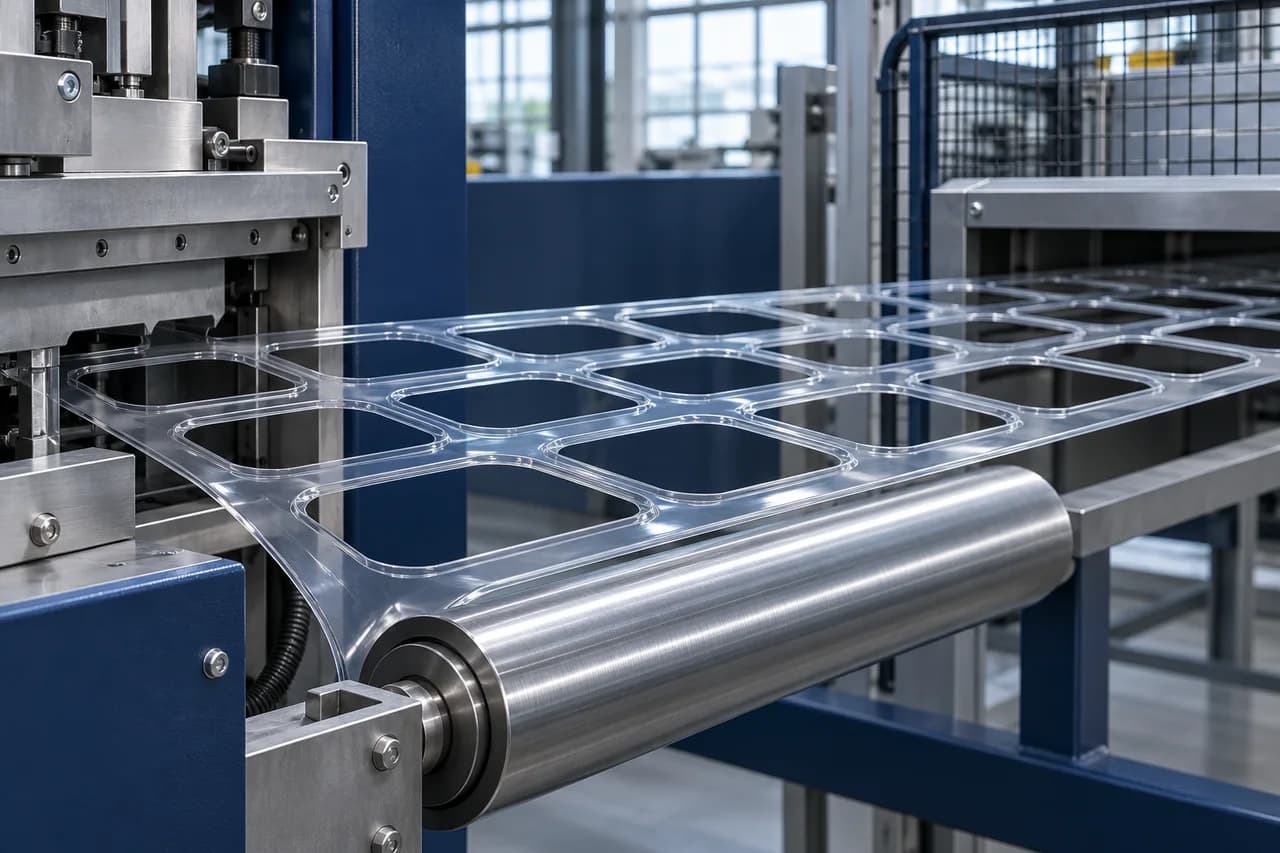
How to Feed Thermoforming Skeletal Web into an Inline Granulator
Map the trim exit, size the usable feed path and test web transport before integrating an inline thermoforming granulator.
Read the Guide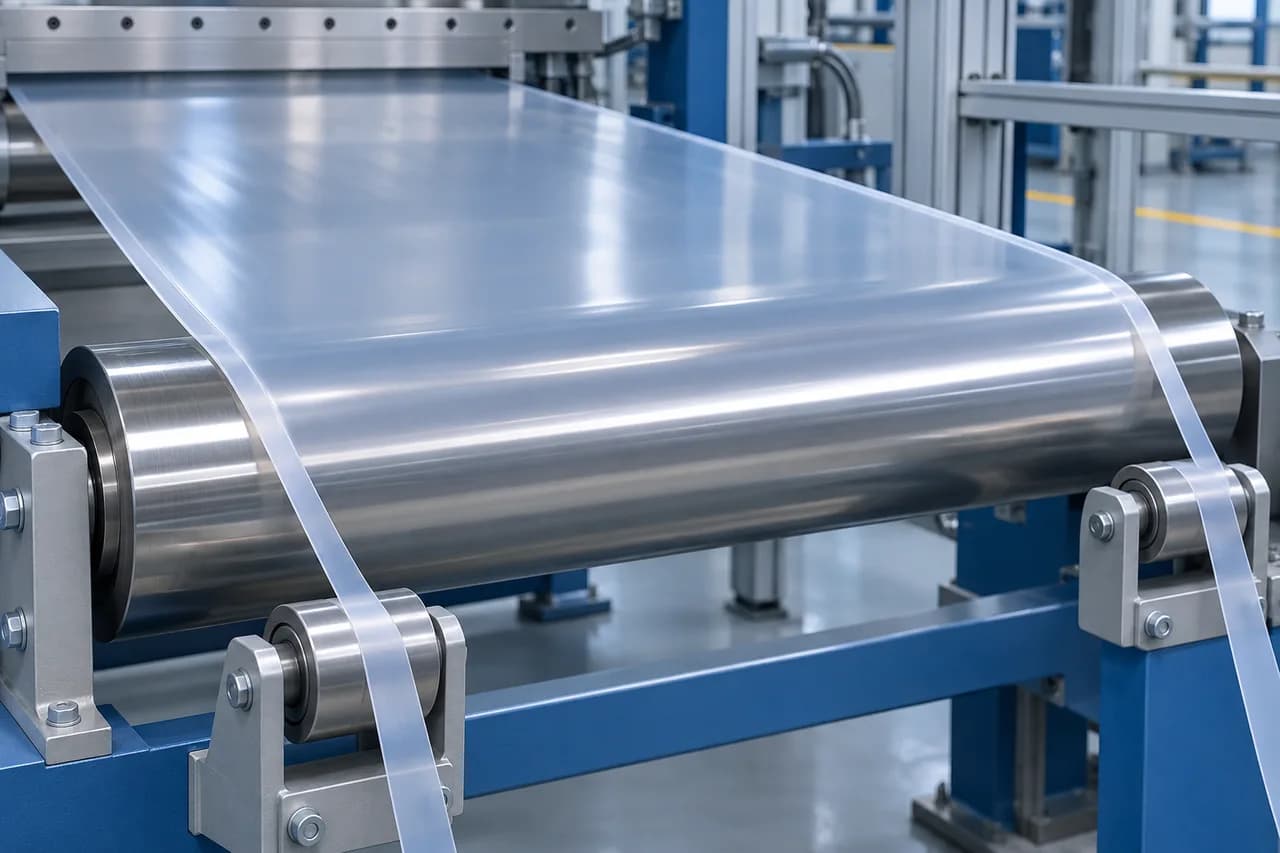
How to Feed Two Edge Trim Strips on a Sheet Extrusion Line
Measure both trim strips, estimate their combined scrap rate and compare continuous infeed with pre-cut feed for sheet extrusion.
Read the Guide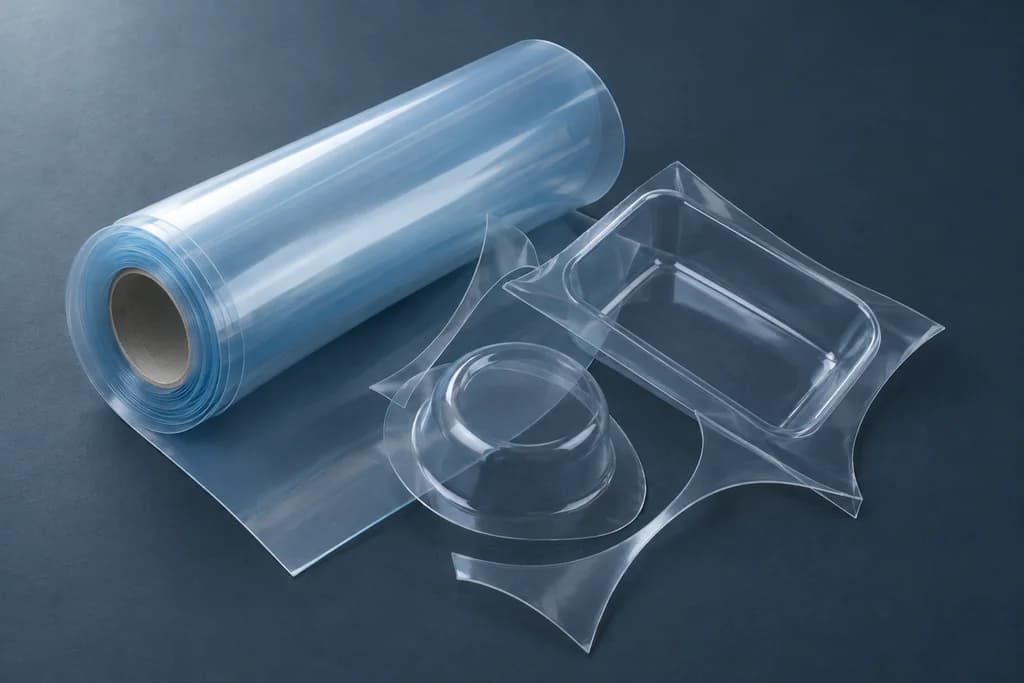
Mixed Production Scrap Recycling
Separate roll stock, loose trim and formed scrap by feed type. Use the largest piece, peak load and collection point to plan each feed route.
Read the GuideProject brief
What to Measure Before Requesting a Quote
- 01
Describe the production line
Send the polymer, scrap shape, dimensions and normal and peak scrap rates. A photo or sketch of the take-off and available space helps explain the layout.
- 02
Review feed and collection
Discuss where material leaves the line, how it should enter the granulator and how you plan to collect or reuse the regrind. Flag any controls, installation or service requirements in your brief.
- 03
Define the proposal scope
Use the selection discussion to identify the series, configuration, related equipment and support items to include in your quotation.
Granulator Selection FAQs
Equipment and material selection
What is the difference between CXF and XF?
CXF is for thermoforming skeletal web and rejected parts. XF is for continuous sheet extrusion edge trim. The process and scrap shape guide the equipment choice.
Which series should I discuss for roll stock and loose scrap?
Start with the JXF series when reviewing roll stock, loose trim and thermoformed scrap. Describe each feed form separately, including the largest dimensions, resin and required throughput. The JXF catalogue describes dual-infeed and A/B discharge arrangements; the configuration belongs in the project discussion.
What if my sheet is multilayer, printed or a material not listed?
Identify the resin or layer structure, thickness, scrap shape and any coatings or inserts. Include sample photos and the intended use of the regrind. We can then discuss the application and what further information is needed before equipment is specified.
Specifications and performance
What throughput should I plan for?
The CXF-850 catalogue lists 300–400 kg/h. Actual performance depends on material, thickness, screen aperture and feeding conditions. Record normal and peak scrap generation separately when preparing your brief.
How do I use the 830 mm maximum infeed width?
830 mm is the catalogue maximum infeed width for the CXF-850. Measure the actual web at its widest point and describe any formed or untrimmed sections that project from it. Include thickness, shape and the feed route so width can be reviewed together with the material geometry.
Which screen aperture should I request?
The CXF-850 catalogue lists a screen aperture range of 10–16 mm. Share the regrind size required by your collection or downstream process and your target throughput so the screen selection can be included in the equipment discussion.
Line integration and configuration
What information helps you review my line?
Send material, web width, sheet thickness, line speed and estimated scrap per hour. Include a trim exit photo, available space and where you plan to collect the regrind.
What should I measure for continuous sheet extrusion trim?
For the XF series, record the number of edge strips, the width and thickness of each strip, line speed and the position of the trim take-off. Include a sketch or photos showing how the strips would reach the granulator.
Can I specify where the ground material is collected?
Include the desired bin, bag or downstream collection point, conveying route and available height in your project brief. Feeding and collection should be reviewed together. For JXF equipment, discuss whether the catalogue's A/B discharge arrangement fits your handling plan.
What electrical and controls information should I provide?
Include the installation country's supply voltage and frequency, any upstream machine interface requirements and a layout of the proposed equipment position. Ask for the agreed electrical supply, controls scope and installation responsibilities to be stated in the proposal.
Quotations and equipment support
What do you need for a useful quotation?
Send your company and project location, process, material, scrap dimensions, normal and peak scrap rates, feed method and collection requirements. Add a layout or photos, your preferred configuration and the project schedule. If some values are unknown, identify them so we can establish the next step together.
How are lead time and delivery scope confirmed?
Include your required delivery date and destination in the inquiry. Request the proposed configuration, manufacturing schedule, shipping terms and installation or support scope in the quotation so the timing and responsibilities are clear for your project.