
Workshop video
Inside XUFE JIXIE’s Granulator Workshop
Inside the XUFE JIXIE workshop in Jiaxing, China, a lathe machines a metal part. The camera then moves across textured rollers, the feed opening and drive area, and the control panel on assembled equipment. These views show the parts and interfaces buyers review when integrating a granulator into a plastics line.
If you’re evaluating a plastic granulator manufacturer, use the catalogue specs below to shortlist a machine for thermoforming skeletal web, continuous sheet edge trim or mixed production scrap. The buyer’s checklist shows which line measurements to send XUFE Machinery for a project quote.
Watch the Video
A lathe machining a metal part inside the XUFE JIXIE workshop
TL;DR
- Watch lathe machining, textured rollers and assembled feed and control areas in the XUFE JIXIE workshop.
- Start with CXF for thermoforming skeletal web, XF for continuous sheet edge trim or JXF for rolls and mixed production scrap.
- Compare catalogue infeed width, motor power and throughput, then review the feed route and regrind collection against your layout.
- Send a line sketch, your largest scrap dimensions and normal and peak scrap rates for an equipment proposal.
How does XUFE JIXIE manufacture plastic granulators?
XUFE JIXIE machines and finishes parts, assembles the equipment, and carries out commissioning and final inspection. The workshop video shows lathe machining, textured rollers, an assembled feed opening and a control panel. For line integration, choose the series by scrap form, then review infeed dimensions, peak scrap rate and the collection layout with XUFE Machinery.
What the Workshop Video Shows
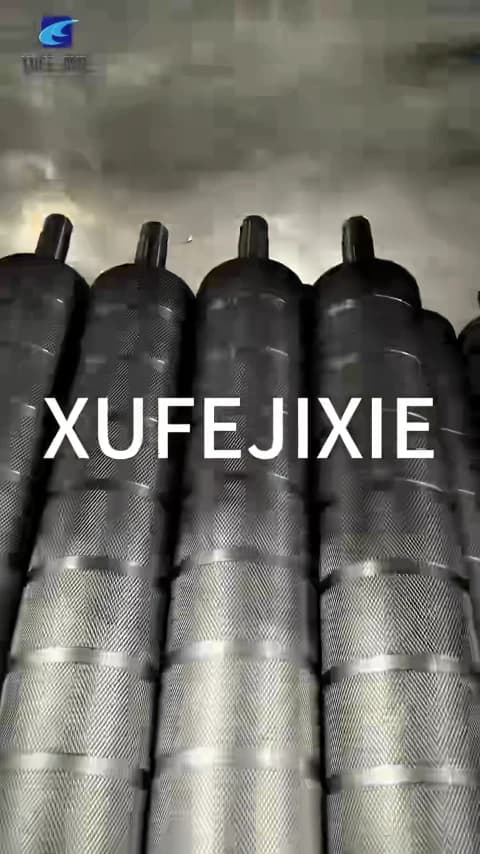
Machining and roller components
The clip opens on a lathe and cuts to a group of textured rollers. When planning continuous feeding, share the material, strip or web dimensions and speed range with the equipment supplier. These details help define how the scrap will be presented to the machine.
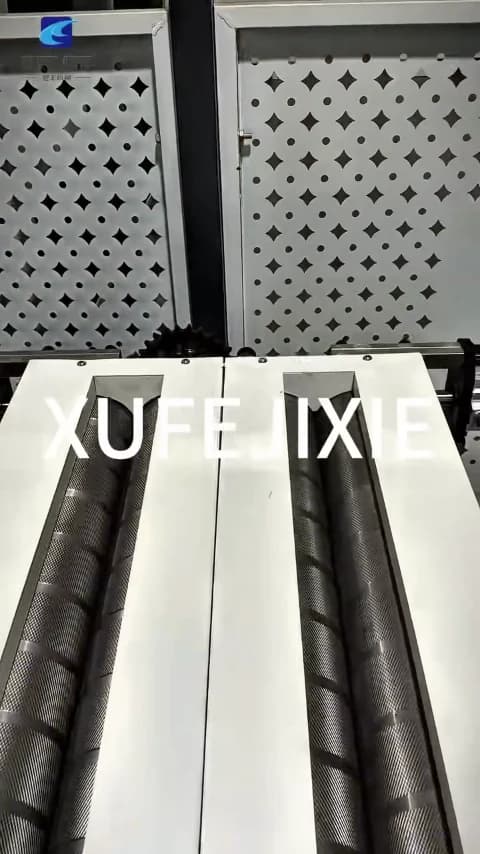
Feed opening and drive area
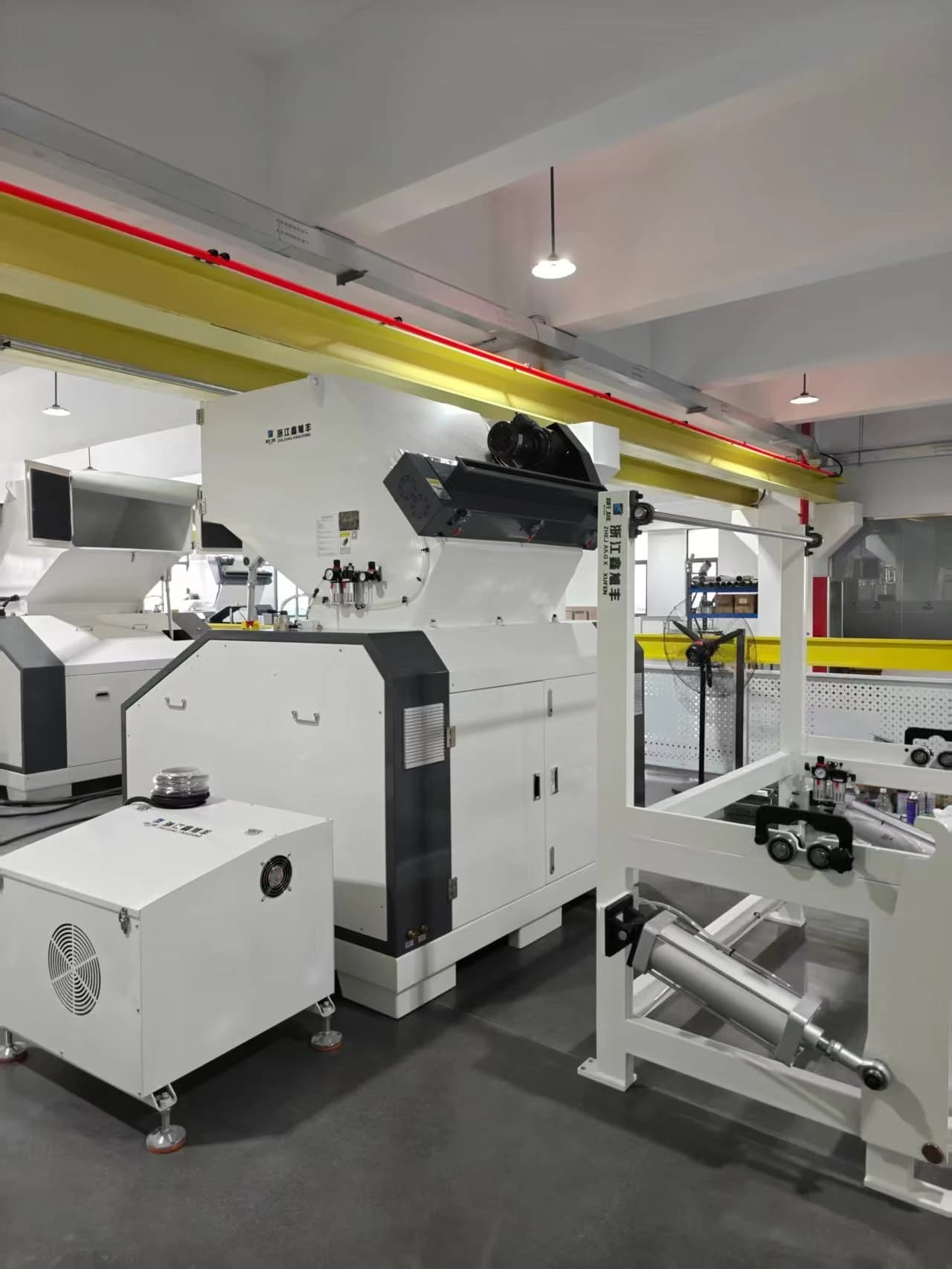
The camera moves past rollers, guide surfaces, an enclosed cabinet and a drive area. On an inline project, map the take-off height and direction to the infeed. The skeletal web feeding guide shows what to measure along that route.
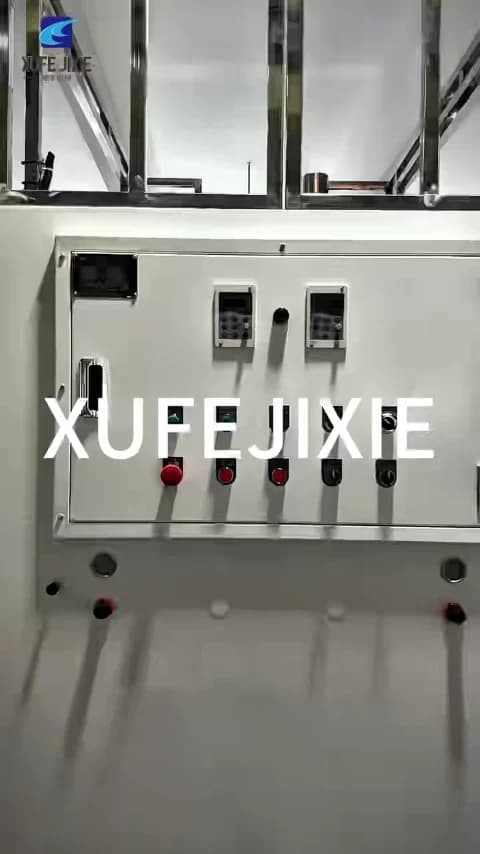
Assembled cabinet and controls
The final views show the front control panel and assembled cabinet. Before commissioning an inline unit, agree with the integrator on electrical supply, start and stop coordination, access for cleaning, and who will check the finished installation.
Related Products
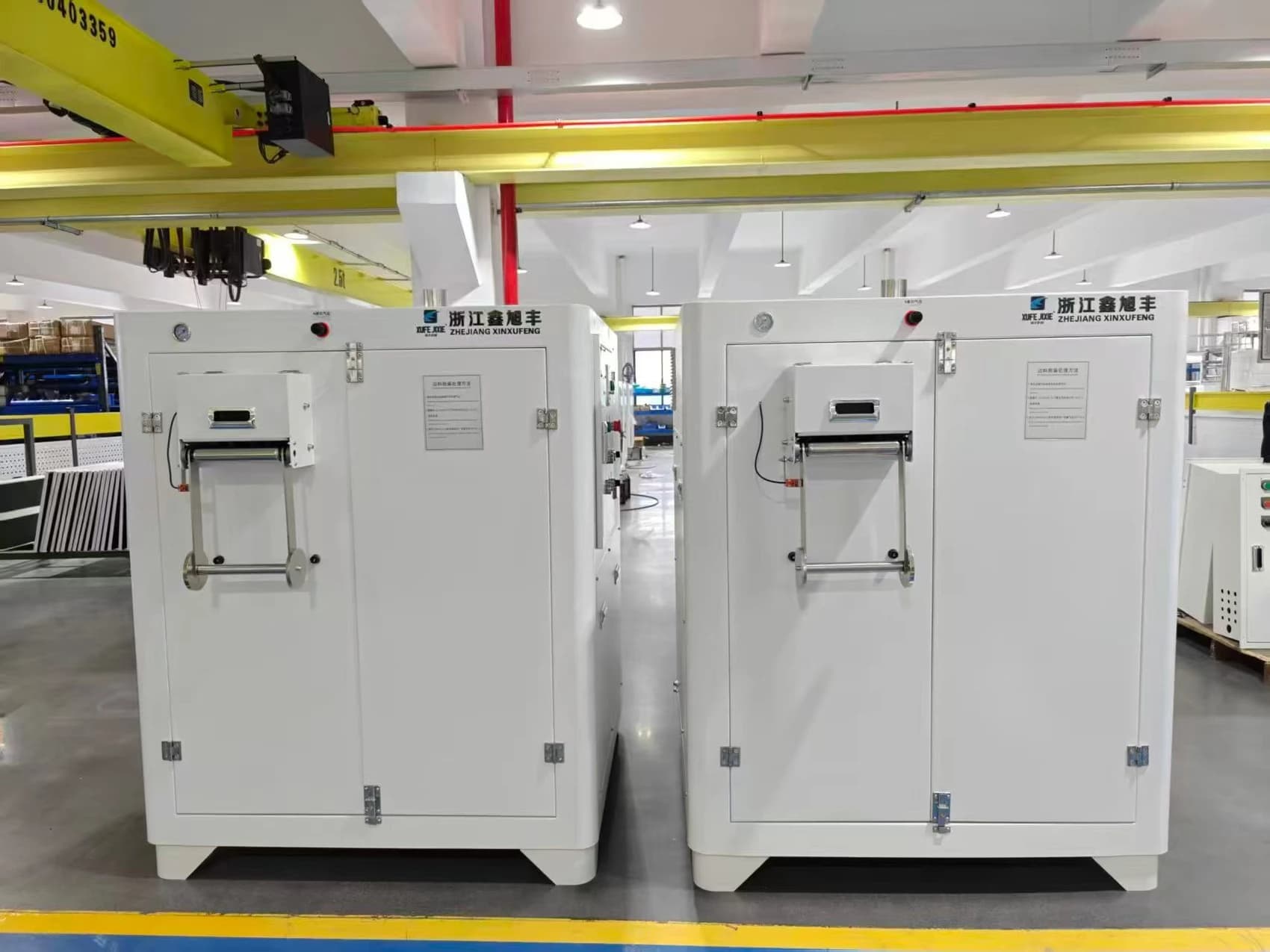
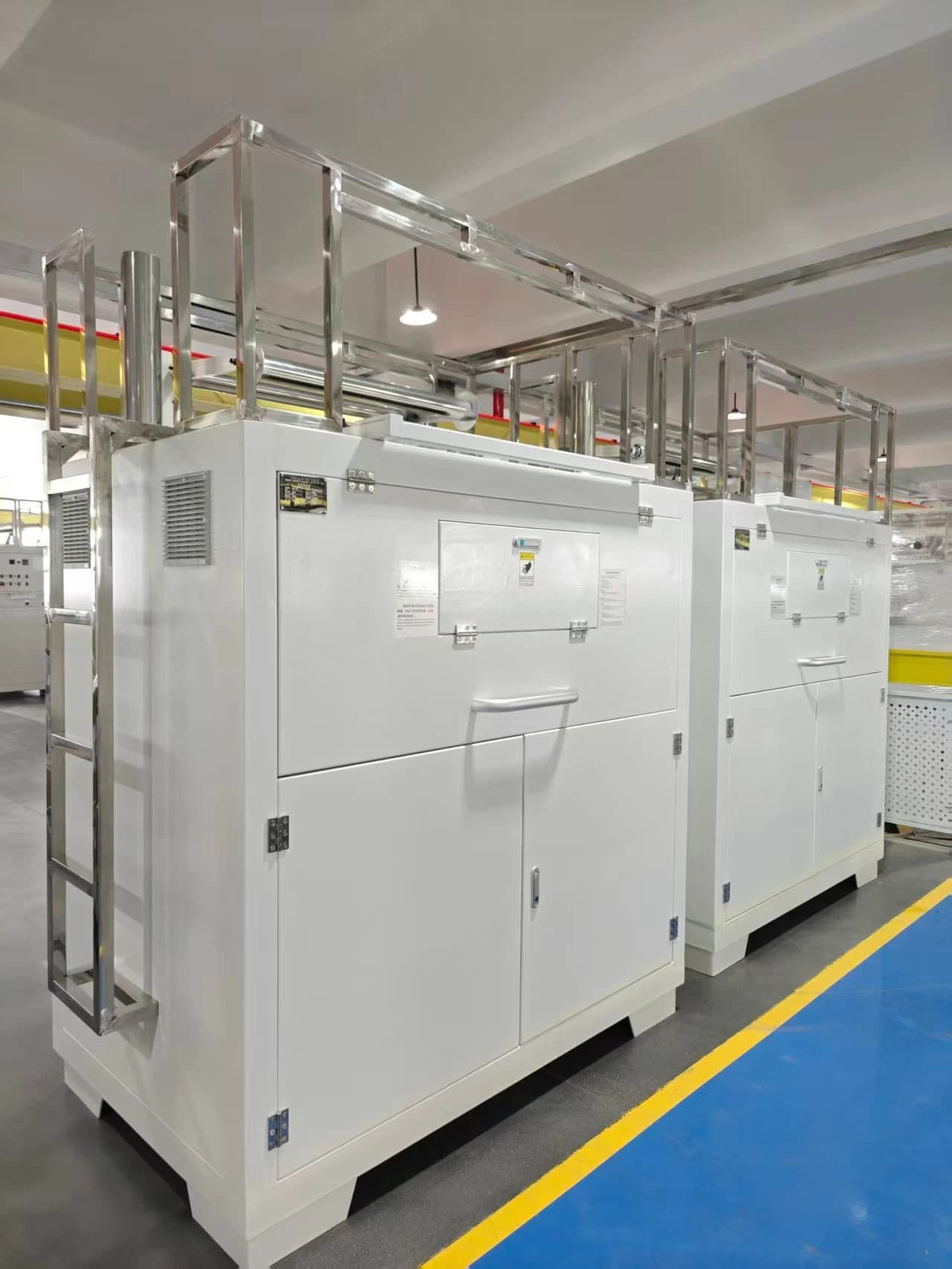
JXF series
JXF-1000
Match feed and discharge options to the scrap handled on your production floor.
View JXF-1000Technical Specifications
These are catalogue values for the three related models. Use them to shortlist equipment and review throughput with your own material, thickness, feed and screen setup.
| Specification | CXF-850 | XF-300 | JXF-1000 |
|---|---|---|---|
| Maximum infeed width | 830 mm | 280 mm | 980 mm |
| Main motor power | 7.5 kW | 4 kW | 30 kW |
| Catalogue throughput | 300–400 kg/h | 150–200 kg/h | 1000–1500 kg/h |
| Feed motor power | 4 kW | 3 kW | 5.5 kW |
| Pull motor power | 1.5 kW | 0.75 kW | 1.5 kW |
| Blade material | DC53 alloy steel | DC53 alloy steel | DC53 alloy steel |
| Screen aperture | 10–16 mm | 10–16 mm | 10–16 mm |
Compare CXF, XF and JXF by Scrap Form
| Selection factor | CXF | XF | JXF |
|---|---|---|---|
| Production process | Thermoforming and trim station | Sheet extrusion and edge trimming | Collection of scrap in different forms |
| Scrap to handle | Skeletal web and rejected parts | Continuous sheet edge trim | Roll stock, loose trim and formed scrap |
| Typical feed route | Inline skeletal web from the trim exit. Discuss loose rejects separately. | Continuous strips guided from the edge-trim take-off. | Feed arrangement for rolls or loose scrap. Discuss the discharge configuration. |
| Check before sizing | Maximum web width, sheet thickness, trim exit height and scrap rate. | Strip count, width and thickness for each strip, and line speed. | Largest scrap dimensions, required throughput and the collection method. |
From Machined Components to Final Inspection
XUFE Machinery’s workshop description follows these four stages.
- Machine components
Shape the parts that will go into the equipment.
- Finish parts
Finish component surfaces before they go into the assembly.
- Assemble and commission
Put the machine together and check how the assembly operates.
- Inspect the machine
Review the complete unit before final acceptance.
What to Confirm With Your Equipment Supplier
Start with the scrap stream and identify how it reaches the machine. The thermoforming sizing guide explains how to turn a timed scrap sample into kg/h. For continuous sheet edge trim, map each strip’s take-off point and highest planned line speed before reviewing an inline model such as the XF-300.
XUFE Machinery develops equipment and service proposals around the customer’s production line. Ask for the agreed configuration, which interfaces are included and how the equipment will be checked at acceptance. See XUFE’s wider manufacturing capabilities if the project also needs sheet handling or material preparation equipment.
- Resin, scrap form and maximum piece or web dimensions
- Normal and peak scrap rate, plus line speed for continuous feed
- Take-off height, available footprint and proposed collection point
- Installation region, electrical supply and acceptance requirements
Frequently Asked Questions
What can I see in the XUFE JIXIE workshop video?
The film shows a lathe machining a part, textured rollers, the feed and drive areas, and the control panel and exterior of assembled equipment.
Which series should I review for a thermoforming line?
Start with CXF if the main scrap is skeletal web from the trim station. Include the widest web, the thickest sheet and the exit height. Describe loose rejects separately so their feed route can be reviewed.
Can XUFE review separate trim streams from the same extrusion line?
Share the strip count and take-off location, width and thickness of each strip. The XF catalogue includes a dual-station XF-350 alongside the standard model. Compare the planned feed routes before selecting one.
How should I compare catalogue capacity with actual output?
Weigh the scrap over a measured interval and convert it to kg/h. Record steady running and peak periods separately. Compare the results alongside scrap geometry, feed behavior and the screen needed for your target regrind size.
What should I include in a granulator quote request?
Send your process, material, scrap dimensions, peak scrap rate and a layout or photo. Specify the installation location and ask which feed, collection and integration items are included in the proposal.
Review the Fit With Your Production Line
Share your scrap measurements and layout so XUFE Machinery can discuss the right series, feed setup and collection arrangement for your project.